 Ananda Family
Every great mandir in India carries a story. Some are carved from one rock. Some change their murtis every few years. Here are ten temples worth one yatra in your life, with a fact and a tip for each.
1. Kailasa temple, Ellora: cut from one rock, from the top down
Cave 16 at Ellora, Maharashtra, is the Kailasa temple of Shiv. It is the largest of the 34 Hindu, Buddhist and Jain cave temples there. Its carvers started at the top of the rock and dug downward.1
It is usually linked to the Rashtrakuta king Krishna I, in the 8th century. Tip: it is a protected monument, so plan a full day for Ellora.1
2. Brihadeeswarar, Thanjavur: a thousand years old and still living
The Chola king Rajaraja I built this granite mandir of Shiv. Work began around 1003 and ended in 1010. Its main tower rises about 63 metres.2
Nandi in front is carved from a single stone. He weighs about 25 tonnes. The temple is part of the Great Living Chola Temples, a UNESCO World Heritage Site since 1987.2
3. Meenakshi Amman, Madurai: Devi comes first
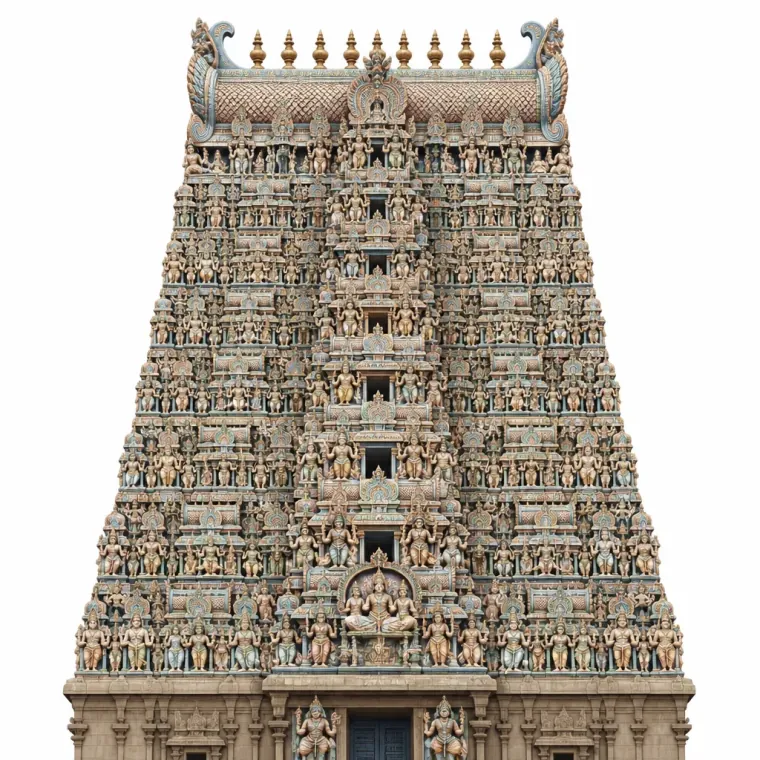
At Madurai, devotees usually visit Meenakshi before Sundareswarar. She is seen as the main Devi of the temple. The temple has 14 gopurams, and the tallest rises about 52 metres.3
Its famous thousand-pillar hall actually has 985 carved pillars. Every year in the month of Chithirai, the wedding of Meenakshi and Sundareswarar is celebrated.3
4. Jagannath, Puri: Bhagwan takes a new body
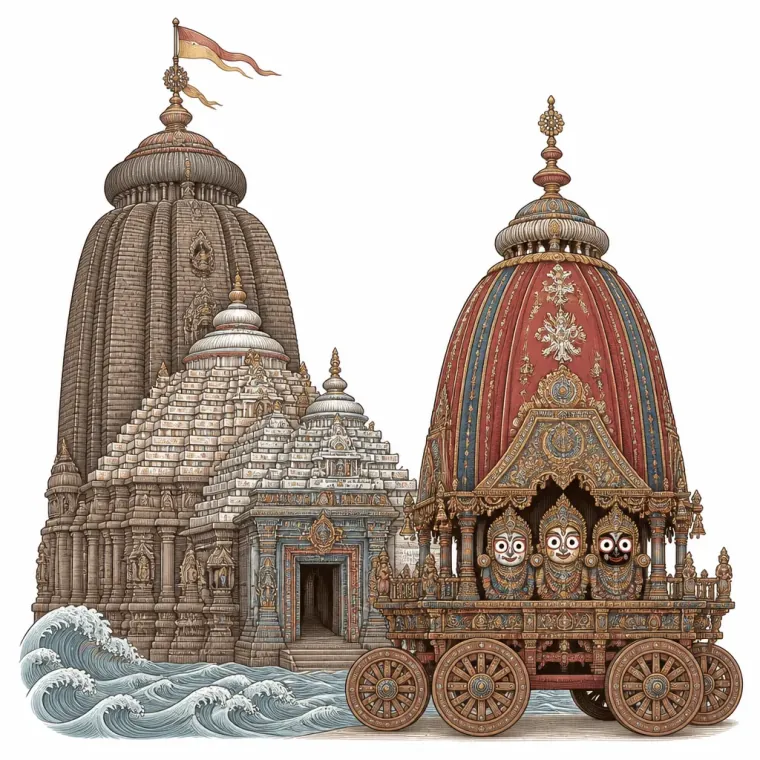
At Puri, the murtis of Jagannath, Balabhadra, Subhadra and Sudarshan are made of wood. In years with an extra Ashadha month, new murtis are carved from special neem trees. This is Nabakalebara, the new body.4
The old murtis are buried at Koili Baikuntha. The last Nabakalebara was in 2015, nineteen years after the one in 1996.4
5. Kamakhya, Guwahati: the mandir that closes for the Devi's rest
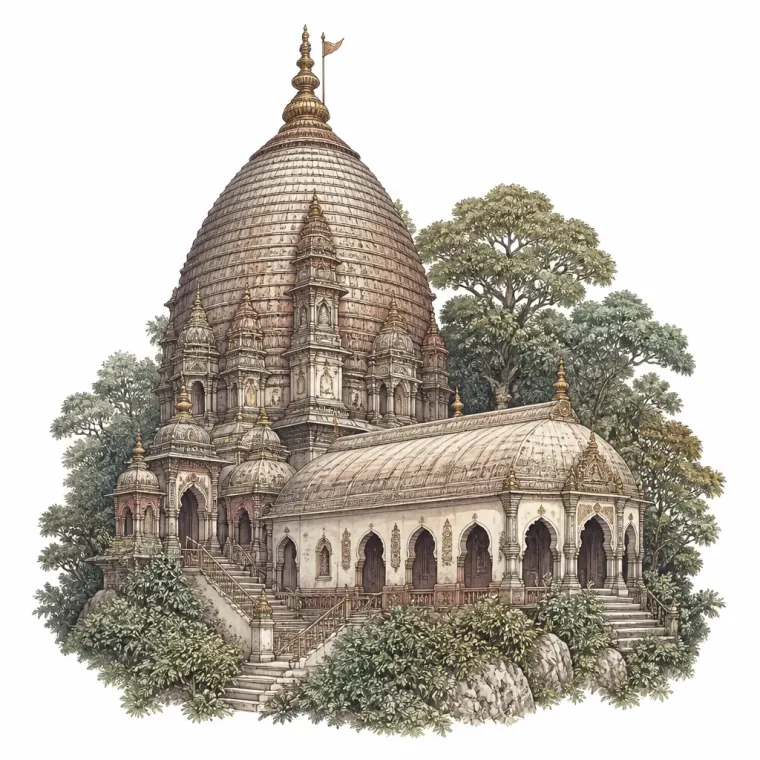
Every June, Kamakhya temple in Assam closes for three days during the Ambubachi Mela. It marks the yearly menstruation of Devi Kamakhya. The Devi is believed to rest, as women traditionally did.56
When the doors open again, devotees receive a red cloth called angabastra and water called angodak as prasad. In 2026, the temple closed on 22 June and opened on 26 June.56
Why it matters today: here, a woman's body is honoured as sacred, not hidden.
6. Ramanathaswamy, Rameswaram: 22 wells and the longest corridor
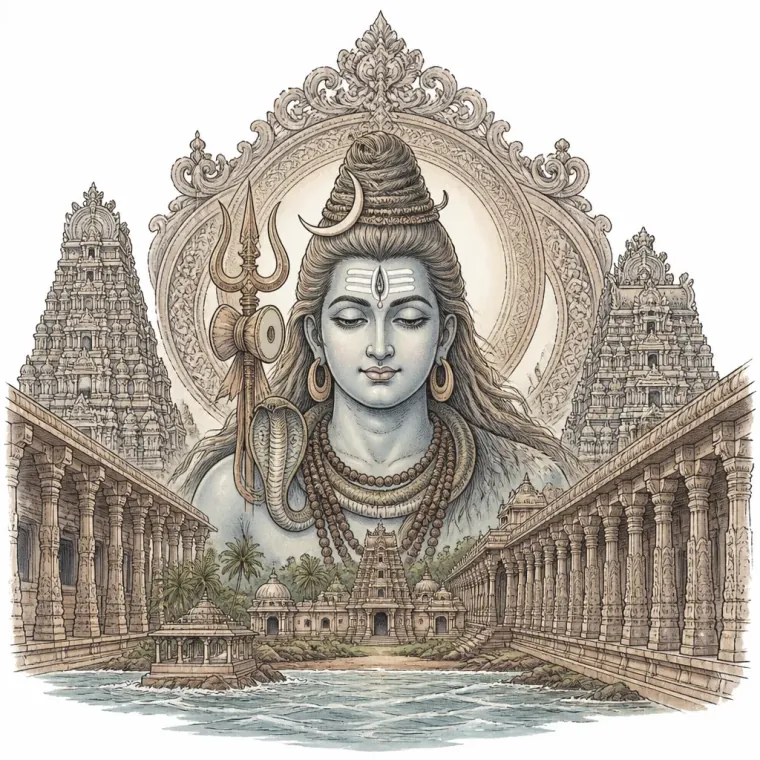
Tradition says Ram made a lingam from sand here. Hanuman brought a second lingam from Kailash, and Ram asked that it be worshipped first.7
Inside are 22 theerthams, holy wells and tanks, where devotees bathe. They are said to stand for the 22 arrows in Ram's quiver. The temple also has the longest corridor of any Hindu temple in India.7
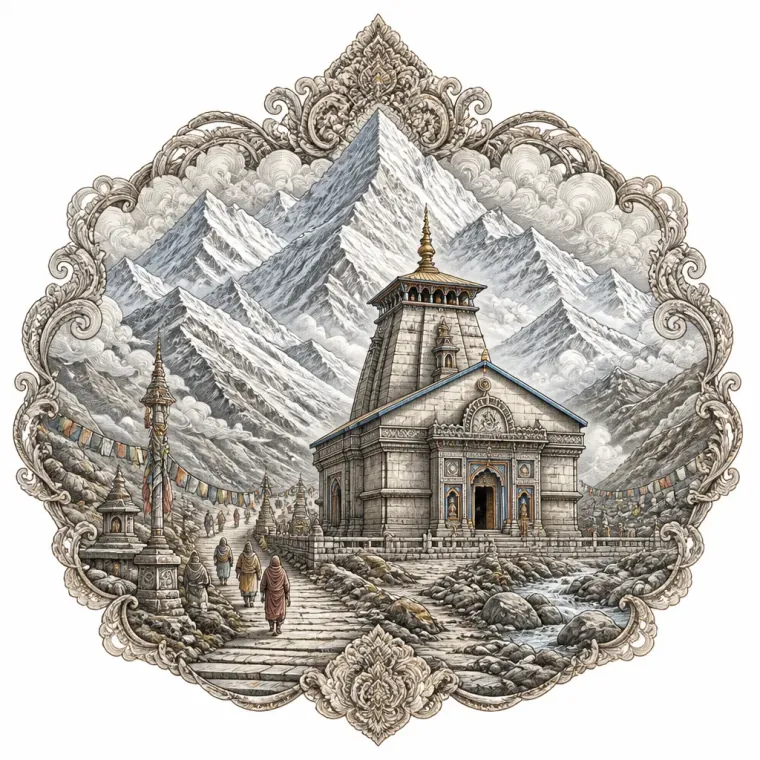
7. Kedarnath: open only half the year
Kedarnath stands at about 3,583 metres in Uttarakhand. There is no road to it. Devotees walk about 17 km uphill from Gaurikund.8
The temple opens around Akshaya Tritiya in April or May and closes around Kartik Purnima in November. In winter, Bhagwan is worshipped down in Ukhimath. The samadhi of Adi Shankaracharya stands behind the temple.8
In the 2013 floods, the town was badly hit, but the temple stood. A big rock stuck behind it and pushed the debris away.8
8. Tirumala: the temple of seven hills
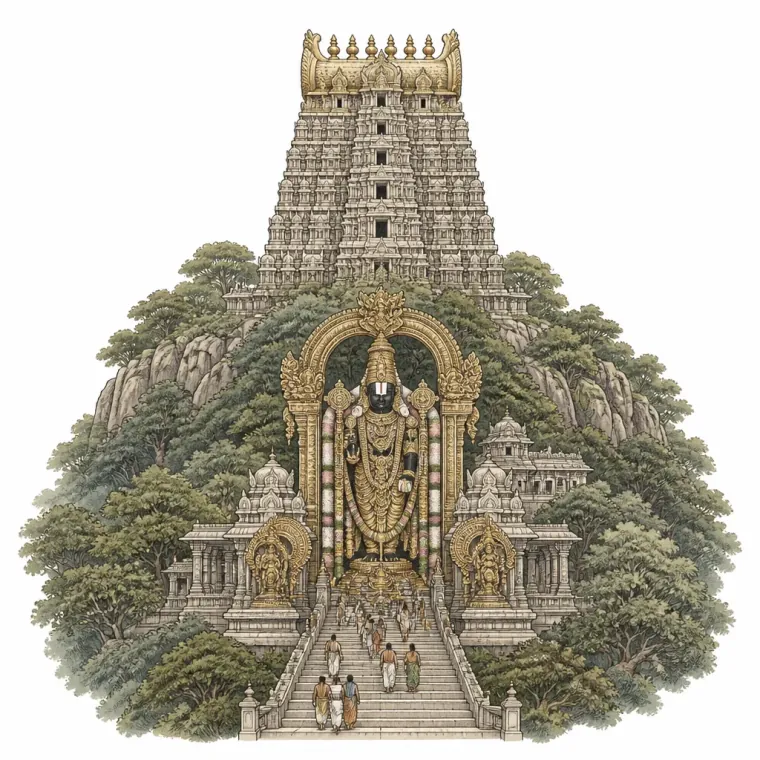
Tradition links the seven peaks of Tirumala to the seven heads of Adisesha. The temple of Venkateswara stands on the seventh peak, Venkatadri.9
More than 60,000 devotees come on an average day. On festivals like Vaikunta Ekadashi, the crowd passes one lakh. Tip: plan your darshan early, especially in festival weeks.9
9. Kashi Vishwanath: a queen built it and a Maharaja gilded it
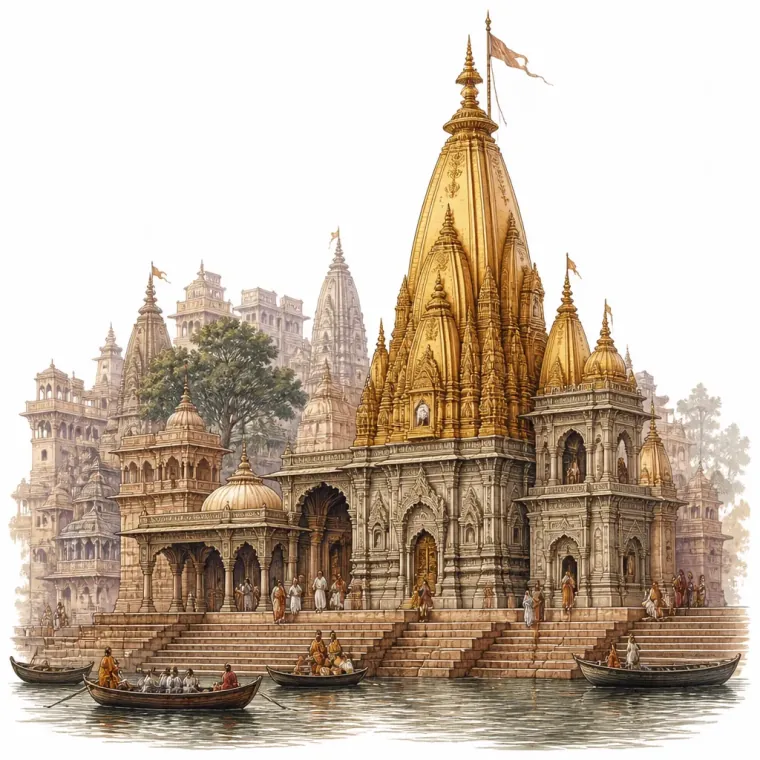
The present Kashi Vishwanath temple in Varanasi was built in 1780 by Ahilyabai Holkar, the Maratha queen of Indore. In 1835, Maharaja Ranjit Singh of Punjab gave about one tonne of gold for its dome.10
Since December 2021, a wide corridor links the temple to the Ganga. Why it matters today: devotion from every corner of India built this one mandir.10
10. Somnath: rebuilt by the people after freedom
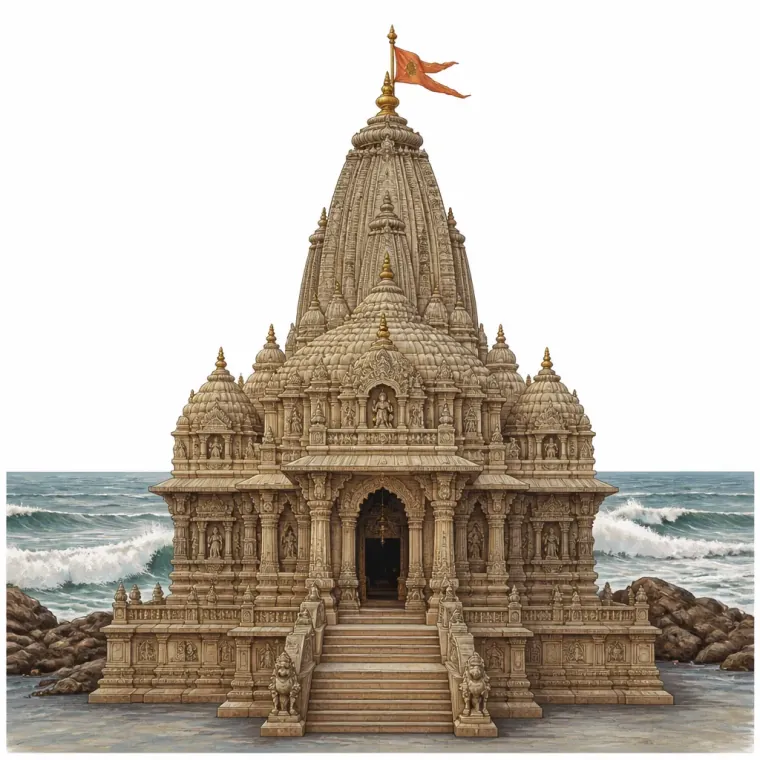
Somnath, in Prabhas Patan, Gujarat, is first among the twelve Jyotirlingas of Shiv. In November 1947, Sardar Patel ordered that it be rebuilt.11
Gandhiji supported the plan but said the money should come from the public, not the government. On 11 May 1951, President Rajendra Prasad performed the installation ceremony.11
Why it matters today: Somnath is proof that what is broken can rise again, built by ordinary people's faith.11
🙋 Questions families ask
Which temple is carved from a single rock?
The Kailasa temple, Cave 16 at Ellora in Maharashtra.
When is Kedarnath open?
From about April or May to about November. Check the dates each year before you go.
Why does Kamakhya temple close in June?
For the Ambubachi Mela, when Devi Kamakhya is believed to rest for three days.
Keep our roots alive at home
Ananda Family helps you explore Hindu stories, festivals and samskaras, with a daily mantra and an evening story practice for your family.
Sources (11)
- Kailasa temple, Ellora - Wikipedia
- Brihadisvara Temple, Thanjavur - Wikipedia
- Meenakshi Temple - Wikipedia
- Nabakalebara - Wikipedia
- Ambubachi Mela - Wikipedia
- Assam's Kamakhya Temple Closes For Ambubachi Mela - Free Press Journal
- Ramanathaswamy Temple - Wikipedia
- Kedarnath Temple - Wikipedia
- Venkateswara Temple, Tirumala - Wikipedia
- Kashi Vishwanath Temple - Wikipedia
- Somnath temple - Wikipedia